

Butterfly Stroke for Non-Swimmers: Where to Start

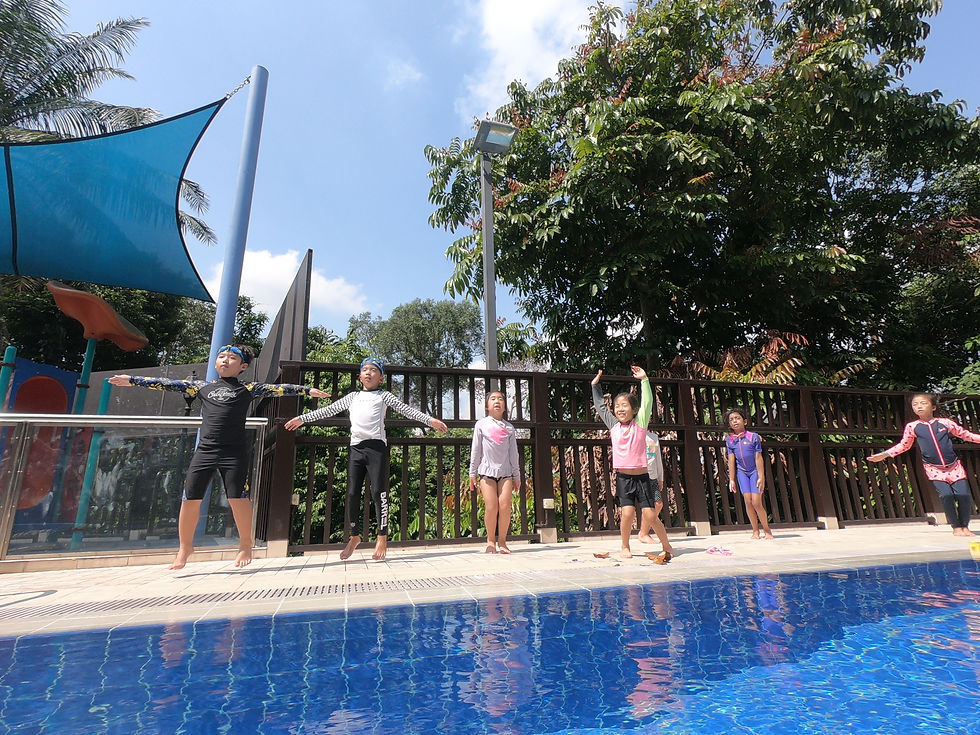
The butterfly stroke is often seen as the most challenging and physically demanding swimming style. For non-swimmers, it may even feel intimidating at first. However, with the right approach, anyone can begin learning butterfly step by step, building confidence and skill progressively.
This guide breaks down how complete beginners can safely and effectively start their journey toward mastering butterfly.
Understanding the Butterfly Stroke
Butterfly is a simultaneous stroke, meaning both arms and legs move together. It involves:
A dolphin kick (both legs move together in a wave-like motion)
Simultaneous arm recovery over the water
A coordinated breathing rhythm
Strong core engagement
For beginners, the key is not to learn everything at once, but to build the stroke in stages.
Step 1: Build Water Confidence First
Before attempting butterfly, non-swimmers must be comfortable in the water.
Basic Skills to Master:
Floating (front and back)
Submerging the face comfortably
Basic breathing control
Simple kicking movements
Without these fundamentals, butterfly will feel overwhelming.
Step 2: Learn the Dolphin Kick
The dolphin kick is the foundation of butterfly.
How to Start:
Practice holding the pool edge
Keep legs together and relaxed
Move from the hips, not the knees
Create a smooth wave motion through the body
Drill:
Use a kickboard and practice dolphin kicks across short distances
Goal:
Develop a rhythmic, continuous kick without excessive splashing.
Step 3: Develop Body Wave Motion
Butterfly relies on a fluid undulating movement of the body.
How to Practice:
Stand in shallow water and simulate the wave motion
Push off the wall and glide while practicing body undulation
Focus:
Chest presses down slightly
Hips follow in a smooth wave
Movement should feel natural, not forced
Step 4: Introduce Arm Movements Separately
Butterfly arms require strength and coordination, so start slowly.
How to Learn:
Practice arm motion on land first
Simulate both arms moving together in a circular motion
In water, try single-arm butterfly drills
Key Points:
Arms enter the water shoulder-width apart
Pull down and back simultaneously
Recover arms over the water in a relaxed manner
Step 5: Combine Kick and Arms Gradually
Once comfortable with kick and arms individually, begin combining them.
Beginner Approach:
Perform 2–3 dolphin kicks per arm cycle
Keep movements slow and controlled
Focus on timing rather than speed
Tip:
Short distances (3–5 meters) are enough at this stage.
Step 6: Learn Basic Breathing
Breathing in butterfly can be challenging but should be introduced early.
How to Practice:
Lift the head slightly during the arm pull
Take a quick breath
Return the face into the water immediately
Important:
Avoid lifting the head too high, as this causes the hips to sink.
Common Challenges for Beginners
❌ Feeling Too Tired Quickly
Butterfly is energy-intensive. Start with short practice sessions and rest frequently.
❌ Poor Coordination
Break the stroke into parts and practice drills separately.
❌ Sinking Body
Focus on core engagement and proper body wave motion.
❌ Overpowering Movements
Butterfly is about rhythm, not force. Smooth movements are more effective.
Simple Beginner Practice Plan (20–30 Minutes)
Warm-Up (5 minutes):
Water confidence exercises and floating
Skill Practice (15 minutes):
Dolphin kick drills
Body wave practice
Arm movement drills
Combination Practice (5–10 minutes):
Short butterfly attempts (3–5 meters)
Focus on rhythm and coordination
Tips for Faster Progress
Be patient: Butterfly takes time to learn
Focus on rhythm: Smooth timing is more important than strength
Practice consistently: Short, regular sessions are more effective
Use aids if needed: Kickboards or fins can help beginners
Stay relaxed: Tension makes the stroke harder
Safety Considerations
Always practice in shallow water or under supervision
Avoid overexertion, especially as a beginner
Take breaks when needed
Ensure proper breathing to prevent fatigue
Final Thoughts
Learning butterfly as a non-swimmer may seem challenging, but by breaking it down into manageable steps, it becomes achievable. Start with water confidence, build the dolphin kick, develop body movement, and gradually add arm coordination and breathing.
With patience and consistent practice, beginners can transform butterfly from an intimidating stroke into a powerful and rewarding skill.
Remember, every strong butterfly swimmer once started exactly where you are now—at the beginning.


Comments