

Ditch the Foam: Why Kicking Without a Board is the Secret to Backstroke Strength

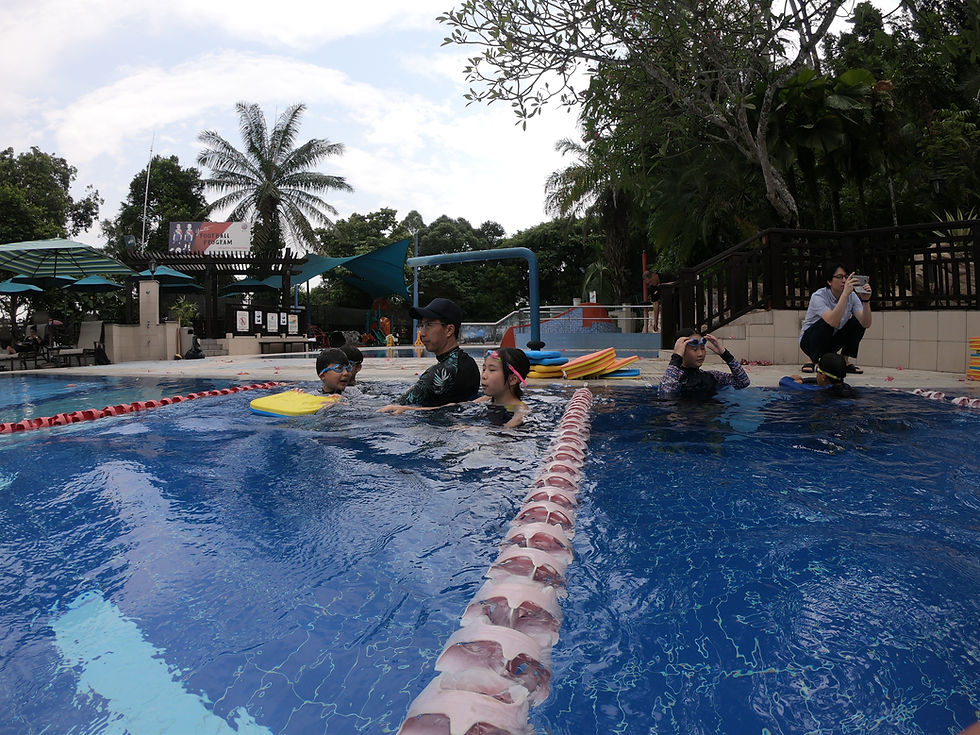
Walk onto any pool deck, and you will see them: swimmers on their backs, heads out of the water, holding a neon foam kickboard out in front of them or resting it on their stomachs, kicking their way down the lane.
For decades, the kickboard has been the default tool for leg training. But when it comes to building a powerful, race-ready backstroke, the kickboard is actually doing you a massive disservice. It acts as a crutch, artificially lifting your hips, restricting your shoulder mobility, and allowing you to swim completely flat.
If you want to build true backstroke strength, you need to take the board away. Kicking on your back in a tight streamline—without any artificial buoyancy—is one of the most brutally effective, full-body strength builders in swimming.
Here is the biomechanical breakdown of why ditching the kickboard will transform your backstroke, and how to implement it into your training.
The Kickboard Illusion: Why It’s Holding You Back
Before understanding the cure, you have to understand the disease. When you hold a kickboard while kicking on your back, three major technical flaws occur:
Artificial Hip Lift: The board provides massive buoyancy at the front of your body. This artificially lifts your hips and legs, meaning your core doesn't have to work to keep you horizontal.
The "Flat" Trap: Holding a board locks your shoulders into a flat, square position. Backstroke requires a dynamic, rotational body roll. The board prevents this roll, teaching your nervous system to kick while lying flat on your back.
Knee Dominance: Because you are flat and unsupported by a rotational kick, your body instinctively bends the knees to generate movement, resulting in a weak, "bicycle" kick that creates massive drag.
When you remove the board, these artificial advantages vanish. You are left with raw hydrodynamics, and your body is forced to adapt.
The Biomechanical Benefits of Board-less Kicking
When you push off the wall on your back, lock your arms into a tight streamline, and kick without a board, you trigger a chain reaction of muscular adaptations that directly translate to a faster backstroke.
1. Forging the Core and Lower Back
In backstroke, your head is out of the water (or looking straight up), which naturally causes your hips to want to sink. Without a kickboard to hold you up, your lower back, glutes, and abdominals must fire continuously to keep your hips at the surface. This builds the exact isometric core strength required to hold a high hip position during a backstroke race.
2. Bulletproofing the Shoulders and Lats
To kick efficiently on your back without a board, your arms must be locked tightly overhead in a streamline, with your biceps squeezing your ears. As you kick, the water resistance pushes against your hands. Your lats and shoulder stabilizers must work overtime to keep your arms locked in place. This builds immense shoulder stability and lat strength, which directly powers the underwater pull phase of your backstroke.
3. Unlocking True Hip Drive
Without the board locking you in a flat position, your body is free to rotate. A proper backstroke kick doesn't just go up and down; it rolls the hips. Kicking without a board forces you to initiate the movement from the hip flexors and glutes, snapping the kick from the hips rather than bending at the knees. You will instantly feel the difference between a "leg kick" and a "hip kick."
4. Enhancing Ankle Flexibility
Because the kick is driven from the hips and requires a whip-like transfer of energy down the leg, the ankle must remain completely relaxed and plantar-flexed (pointed). The continuous, unassisted kicking motion gently stretches the ankle joint, giving you the "floppy" ankles that act like flippers in the water.
How to Execute the Perfect Board-less Back Kick
To get the strength benefits, the drill must be performed with flawless technique. If your hips sink to the bottom, you are just dragging yourself through the water.
The Setup:
Push off the wall on your back.
Lock your arms straight overhead. Squeeze your biceps tightly against your ears. Lock your hands together (one over the other) to create a single, narrow point.
The Head Position: This is the secret. Do not look at the ceiling. Tuck your chin slightly so you are looking at your toes. Your ears should be submerged. Looking up drops the hips; looking at your toes lifts them.
The Chest: Press your chest gently upward toward the surface. This acts as a seesaw, instantly popping your hips and legs to the top.
The Execution: Initiate the kick from the hips. Keep the legs relatively straight, with a soft, relaxed bend in the knee. The toes should just break the surface of the water, creating a "boiling" splash, not a massive, towering wave.
3 Progressions to Ditch the Board
If you’ve relied on the kickboard for years, your hips will likely sink the first time you try this. Don't panic. Use these progressive drills to build the strength gradually.
Drill 1: The "Arms-by-Side" Isolation
The Goal: Isolate the hip drive without the shoulder fatigue of the streamline.
The Execution: Push off on your back, but keep your arms pinned tightly to your sides (like a soldier). Tuck your chin to your chest and kick.
Why it works: By removing the arms from the equation, you force 100% of the buoyancy work onto your core and hips. It’s a pure lower-body and core strength builder.
Drill 2: The 15-Meter "Free Speed" Challenge
The Goal: Build explosive power and streamline endurance.
The Execution: Push off the wall in a tight, board-less streamline. Perform underwater dolphin kicks for 5 meters, then transition to a rapid, flutter kick on the surface. See how far you can go before your hips drop or your arms break the streamline.
Why it works: This mimics the exact physical demands of the breakout and the approach to the wall in a backstroke race.
Drill 3: The "6-Kick Switch" (Transition to Stroke)
The Goal: Transfer the board-less kicking strength directly into the full backstroke.
The Execution: Push off in your tight streamline. Kick on your back for exactly 6 kicks. On the 7th kick, initiate a body roll and take one single, perfect backstroke arm pull. As that arm recovers, immediately lock back into the tight streamline and kick for 6 more kicks.
Why it works: It forces you to maintain the high-hip, board-less body position even while your arms are moving, bridging the gap between the drill and the actual race stroke.
Final Thoughts: Embrace the Discomfort
The first time you kick on your back without a kickboard, it will feel incredibly difficult. Your shoulders will burn, your lower back will fatigue, and your hips will beg to sink.
That discomfort is the feeling of weakness leaving your body.
The kickboard is a great tool for beginners learning to feel the water, but it is a trap for the developing swimmer. By taking the foam away, you are forcing your body to build the raw, functional strength required to hold a perfect, hydrodynamic line in the water.
Next time you hit the pool, leave the kickboard in the bin. Push off the wall, lock your arms, tuck your chin, and kick. Your backstroke speed will thank you.


Comments