

Are there flexible swimming lesson schedules in west Singapore?


By Coach Tan Meng Chew (MC), SG Sink or Swim
If you live in Jurong West, Bukit Batok, Choa Chu Kang, Clementi or anywhere else on the west side of Singapore, you have probably asked yourself some version of this question: "Is there a swimming lesson that actually fits my family's week?"
It is a fair question. Between school timetables, CCAs, tuition, shift work, grandparents doing the pick-ups and the sheer fatigue of a Singapore weekday, finding a swim class that does not collapse the moment life gets busy is harder than it sounds. I hear it from parents all the time, and I hear it from adults who want to learn to swim but cannot commit to the same slot every single week.
So let me answer plainly. Yes, flexible swimming lesson schedules exist in west Singapore. But "flexible" means very different things depending on who you ask, and some versions of flexibility work much better for learning than others. In this article I will walk you through what flexible scheduling can look like, what to ask before you sign up, how to tell the useful kind of flexibility from the kind that quietly stalls your child's progress, and how we think about it at SG Sink or Swim.
I'm Coach Tan Meng Chew, but most people call me MC. I run SG Sink or Swim, a swimming school and coaching brand serving the west side of Singapore. I look after both the coaching and curriculum side and the business side, which means I see this problem from both directions: as a coach who wants students in the water consistently, and as someone who understands why families struggle to make that happen.
Why scheduling is the number one reason people hesitate
When parents first contact a swim school, they usually ask about price, then about the coach, then about the pool. But the question that decides whether they actually enrol is almost always about timing.
Think about what a typical week looks like for a west-side family:
Primary school children finish at different times depending on whether they have CCA, remedial lessons or supplementary classes.
Secondary school students may have co-curricular activities, exams, or project work that shifts week to week.
Parents may work shifts, work late, or travel regularly.
Many families rely on grandparents or helpers for pick-ups, which adds another layer of logistics.
Weekends are precious, and they are also when most swim schools are fully booked.
A swimming programme that demands the same slot, same day, same time, every week for twelve weeks, with no room to move, will lose a lot of families. Not because the parents do not value swimming, but because life does not run on a rigid timetable.
That is why the demand for flexible scheduling is real, and why it is worth understanding properly instead of treating it as a marketing buzzword.
What "flexible" can actually mean
When a school says it offers flexible lessons, it might mean one or more of the following. It helps to know the differences.
1. A wide spread of lesson times
The simplest form of flexibility is choice at the start. Instead of two or three fixed time slots, the school offers lessons across weekday afternoons, weekday evenings, and weekends. This lets you pick a regular slot that suits your family from day one.
For west-side families, this matters because travel time is part of the equation. A slot that looks perfect on paper is not much use if it clashes with the peak-hour crawl home.
2. Make-up or replacement lessons
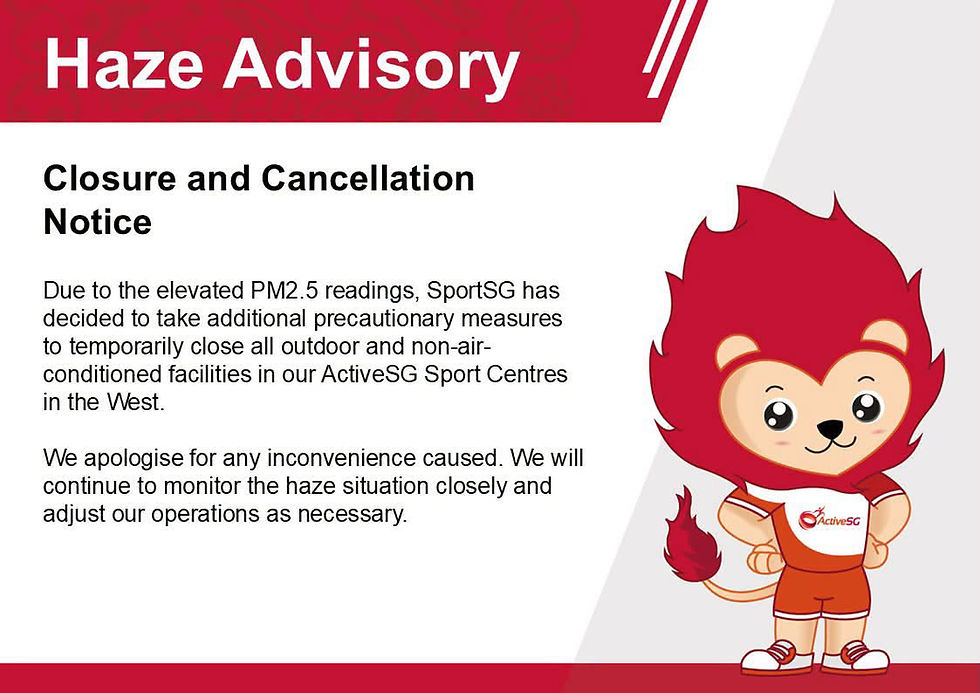
Children fall sick. Schools run special events. Weather interrupts outdoor pool sessions. A good flexible arrangement includes a clear policy for what happens when a lesson is missed, whether that is a replacement slot within the same term, a transfer to another class, or a defined notice period.
The key word is clear. Before you enrol, ask exactly how replacements work, how much notice is needed, and whether there is a limit.
3. Small groups and private lessons
Flexibility is easier when classes are small. A one-to-one or small-group lesson can often be moved, paired with a different time, or adjusted to the child's pace, simply because there are fewer people to coordinate. Large classes with fixed rosters are much harder to bend.
4. Choice of block length and commitment
Some families prefer a short block to test the waters, for example before a holiday or exam period. Others want a longer term for continuity. Flexibility here means you are not locked into a long commitment before you know whether the coach, the pool and the timing work for you.
5. Flexible pacing, not just flexible timing
This is the one most people overlook, and I will come back to it. Real flexibility is not only about when the lesson happens. It is also about whether the lesson adapts to where your child is in their swimming journey.
The hidden risk: flexible timing without structured progress
I want to be honest about something. In my experience, there is a trap in the way flexible scheduling is sometimes sold.
A schedule that is too loose can quietly hurt learning. Swimming is a skill built through repetition and consistency. A child who attends once, skips two weeks, comes back, skips another week, and then returns will often spend much of each lesson re-learning what they already did. The parent sees little progress and concludes the lessons are not working.
This is one of the most common reasons families stop swimming lessons altogether. In my own experience coaching, one of the main reasons students drop out is that parents feel there is no visible progress. And very often, the cause is not the child's ability. It is an inconsistent rhythm combined with a lesson plan that does not clearly show the child's next step.
So when I talk about flexible scheduling, I always pair it with two ideas:
A consistent core. Choose a regular slot that you can realistically keep most weeks, and treat flexibility as the safety net for the weeks that go wrong, not the default.
A clear progression path. Flexible timing only works if each lesson builds on the last, and if you can see what skill your child is working on and what comes next.
If a school offers you total freedom on timing but cannot show you a progression framework, be cautious.
Why the SwimSafer 2.0 framework matters for scheduling
In Singapore, most children's swim learning is anchored to the national SwimSafer 2.0 programme, which has six stages. Stage 6 is the Gold level. Many families treat the stages as milestones: a child begins at the early stages, builds water confidence and basic strokes, and works toward water safety and endurance at the higher stages.
Why does this matter for scheduling?
Because a framework gives flexibility structure. If a lesson plan is mapped to defined stages and skills, then a missed lesson is less damaging: the coach knows exactly where the child left off and what to revisit. A rescheduled lesson is no longer a floating, disconnected session. It is a known step in a known sequence.
At SG Sink or Swim, our programmes run from Nursery and Level 1 (Baby & Toddler), through Level 2 (Beginner) and Level 3 (Intermediate), and on to SwimSafer Stages 1 to 6. This range means that whatever your child's starting point, there is a defined path ahead of them, and a coach who can pick up where they left off when a lesson has to move.
Flexible swimming for different kinds of learners
Different people need different kinds of flexibility. Here is how I think about the main groups.
Toddlers and young children
For babies, toddlers and pre-schoolers, flexibility is largely about energy and mood. A tired or hungry child does not learn well. Lessons that fit around naps and meal times, usually earlier in the day or on weekends, tend to work better. Short, regular sessions are far more effective than long, occasional ones.
Parents of young children also often need flexibility around illness. Little ones pick up coughs and colds easily, and a school that understands that, and has a sensible replacement approach, saves a lot of stress.
Primary school children
This is the group with the most scheduling pressure. Between CCAs, school hours and enrichment, weekday afternoons can be tight. Many families look for late-afternoon or early-evening weekday slots, or settle into a fixed weekend slot.
Because many primary school children are working toward SwimSafer stages, consistency matters. I generally advise families to pick one dependable slot and protect it, then use any flexibility the school offers for genuine exceptions.
Secondary school students and teenagers
Teens often have the least predictable schedules, with exams, project deadlines and co-curricular commitments. For this group, shorter focused blocks and the ability to adjust around exam periods are valuable. Teenagers also tend to respond well to goal-based coaching, such as improving a specific stroke, building endurance, or preparing for a test.
Adults
Adults make up a group that is often forgotten in discussions about swim lessons. Many adults in Singapore never learned to swim as children, and plenty feel self-conscious about starting. Their challenge is usually work: unpredictable hours, travel and overtime.
For adults, small-group or one-to-one lessons with some timing flexibility are often the best fit. Evening and weekend slots are popular, and a patient, non-judgmental coach matters even more than the timetable. Adults also benefit from structured, self-paced practice between lessons.
Older adults
Water-based exercise is gentle on joints and can be a good way to stay active. For older adults, flexibility often means being able to choose quieter times of day, a slower pace and a supportive environment. Lessons and exercise sessions that adapt to individual comfort levels make a big difference.
Choosing a pool and location on the west side
Location is part of flexibility too. The west side has a good spread of public swimming complexes and facilities across areas such as Jurong, Bukit Batok, Choa Chu Kang and Clementi, along with condominium and private pools. The practical point is simple: the closer and easier the lesson location is to your home or your child's school, the easier it is to keep a regular slot.
When comparing options, I suggest you consider:
Travel time at the actual lesson hour. A pool that is ten minutes away off-peak may take thirty minutes at 6 pm.
Public transport access. If a grandparent or helper brings the child, a short walk from an MRT station or bus stop can decide whether lessons are sustainable.
Facilities. Changing rooms, shower areas and shelter on rainy days matter more than people expect, especially with young children.
Crowding. Public pools can be busy during peak times. A quieter slot makes for a calmer lesson and better learning.
Choosing a school that operates in or near your neighbourhood removes one of the biggest barriers to consistency.
How SG Sink or Swim approaches flexibility
Let me explain how we think about this at SG Sink or Swim, since you asked about schedules in west Singapore and that is the community we serve.
Our starting belief is simple: families should not have to choose between swimming and the rest of their lives. So we build our approach around three principles.
Principle 1: Fit the lesson to the family, then protect the rhythm
When a family contacts us, we start by asking about their week. Which days are impossible? Who does the pick-up? When is the child at their best? From there, we work to find a regular slot that suits them. Once the slot is set, we encourage families to treat it as their anchor, because consistency is what produces visible progress.
Principle 2: Every lesson belongs to a path
Because our curriculum runs from Nursery through to SwimSafer Stage 6, every lesson has a place in a clear sequence. That means if a session has to move, the coach knows what was covered and what should happen next. Parents can see where their child is and what the next milestone looks like. I care about this a lot, because the single biggest frustration I hear from parents is not being able to see progress. A structured progression is the answer to that.
Principle 3: Keep the child in the water, not on the sideline
Flexibility should serve learning, not replace it. We would rather help a family find a sustainable weekly pattern than offer an endless menu of options that leads to sporadic attendance. When something genuinely gets in the way, such as illness, exams or travel, we aim to be practical and understanding, and to keep the child's progress moving.
I am also continually working on the quality of our lesson plans, because I do not want students leaving simply because they feel they have "already learned to swim" or because progress is not obvious to parents. The more clearly each stage shows what is gained, the more families see the value of continuing, even through busy seasons.
Questions to ask any swim school about scheduling
Whether you choose SG Sink or Swim or another school, here is a checklist you can use. Do not be shy about asking. A good school will welcome these questions.
What lesson times are available on weekdays and weekends? Ask for specific days and time ranges, not just "we are flexible."
What happens if my child misses a lesson? Ask about replacement policy, notice period and any limits.
What is the class size? Smaller groups generally mean more individual attention and easier adjustments.
Can we start with a short block before committing to a longer one?
How is progress tracked and shared with parents? Ask to see an example.
What framework does the curriculum follow? Look for alignment with SwimSafer 2.0 and a clear path through the stages.
Where are lessons held, and how easy is it to get there?
Who will be teaching, and will it be the same coach each time? Continuity builds trust, especially with younger children.
What happens during bad weather or pool closures?
What are the fees, and what exactly do they cover? Make sure you understand payment terms and any refund or transfer conditions.
If the answers are vague, that is information in itself.
Practical tips to make any flexible schedule work
Even with the best scheduling arrangement, families can set themselves up for success. These are the habits I see in families whose children make steady progress.
Pick a realistic anchor slot. Do not choose the "ideal" time you can only hit half the time. Choose the slot you can keep eight or nine weeks out of ten.
Plan around known busy periods. If exams or a family trip are coming, speak to your coach early. Planning ahead is far easier than scrambling after the fact.
Keep lessons regular, even if short. A consistent weekly 30 to 45 minutes usually beats an occasional long session.
Support practice outside lessons. Simple water-confidence games in the pool, or basic dryland drills at home, help skills stick between sessions.
Prepare the child. A well-rested, fed (but not stuffed) child who has packed their own bag is more likely to enjoy the lesson.
Communicate with the coach. Let the coach know about illness, nerves or anything that might affect the lesson. Good coaches adjust.
Celebrate small wins. Putting the face in the water, a first unassisted float, a longer glide: these are real milestones, and recognising them keeps motivation up through the plateaus that every swimmer experiences.
A note on safety and why consistency matters
Singapore is an island surrounded by water, with pools, beaches, reservoirs and waterways close to where many of us live. Learning to swim is not just a sport or a hobby here; it is a life skill and a safety skill.
That is why I encourage families to think of swimming lessons the way they think of any other essential skill. You would not expect a child to learn to read by attending school only when it is convenient. Swimming, particularly the water-safety competencies in the SwimSafer stages, benefits from steady, repeated practice with qualified coaching.
Flexible scheduling is valuable precisely because it removes obstacles to that steady practice. The goal is not flexibility for its own sake. The goal is more children and adults in the water, more often, learning properly.
Common myths about flexible swim lessons
Myth 1: "Flexible means I can come whenever I like." In practice, the most effective flexible arrangements still have a regular rhythm. Flexibility is the safety net, not the plan.
Myth 2: "My child already knows how to swim, so we can stop." Knowing how to stay afloat or complete a length is a good start, but swimming skills, endurance, stroke technique and water safety develop across many stages. A child who feels they have "graduated" early often has plenty left to build, and a well-designed programme keeps showing them new challenges.
Myth 3: "Private lessons are always better than group lessons." Not necessarily. One-to-one coaching is excellent for targeted needs and nervous learners, but small-group lessons can motivate children through friendly peer energy. The best option depends on the learner.
Myth 4: "Weekend slots are the only option." Many families assume only weekends work, but weekday afternoons and evenings can be just as effective, and often quieter at the pool.
Myth 5: "If I miss a lesson, I lose the whole benefit." A missed lesson is not a disaster, especially with a structured curriculum and a clear catch-up arrangement. What hurts is repeated inconsistency, not one missed week.
So, are there flexible swimming lesson schedules in west Singapore?
Yes, there are. Families on the west side have more choice than ever, from small private coaching practices to larger schools and community programmes. The real challenge is not finding a schedule. It is finding one that is flexible enough for your life and structured enough to deliver progress.
My advice, after years of coaching, is this:
Ask specific questions about times, replacement policies and class sizes.
Choose a regular anchor slot you can actually keep.
Look for a clear progression framework, ideally aligned with SwimSafer 2.0, so you can see your child's progress.
Pick a location that is genuinely convenient, so that getting to the pool is not a weekly battle.
Work with a coach who communicates, adapts and cares about the long game.
At SG Sink or Swim, that is exactly the balance we aim for: lessons that fit real west-side family life, backed by a curriculum that takes learners from their very first splash through to SwimSafer Stage 6.
If you are curious about what a schedule could look like for your family, or you want to talk through which level your child should start at, you are welcome to get in touch through our website at sgsinkorswim.com. Tell us about your week, and we will help you work out a plan that fits.
Swimming is one of the best gifts you can give your child, and yourself. With the right schedule and the right support, it does not have to be complicated.
See you at the pool.
Coach Tan Meng Chew (MC) SG Sink or Swim | sgsinkorswim.com
Frequently asked questions
Do I need to commit to a long term before trying lessons?
It is sensible to ask about trial or short-block options before committing. Understanding the commitment upfront helps you avoid surprises.
What age can my child start swimming lessons?
Programmes exist from the baby and toddler stage onwards. At SG Sink or Swim, our levels start from Nursery and Level 1 (Baby & Toddler), so there is a starting point for very young learners. Contact us to talk about what suits your child.
My child is nervous of water. Can lessons still work?
Absolutely. Nervous children often do best with patient, gradual coaching, smaller groups and a consistent coach. Building water confidence comes before technique.
How do I know my child is making progress?
Ask your coach how progress is recorded and shared. A good programme will show you the skills mastered and the next target, and map them to a clear framework such as SwimSafer 2.0.
Can adults join swimming lessons?
Yes. Many adults learn to swim later in life, and plenty of coaches, including our team, are happy to work with adult beginners at a comfortable pace.
What if my schedule changes during the term?
Speak to your coach or school early. Practical, open communication usually makes it easy to adjust, and a school with a clear replacement policy will guide you through the options.
Comments