

Swimming Lessons at Condo Pools in Bukit Panjang: What Families Should Know


By Coach Tan Meng Chew (MC), SG Sink Or Swim
Bukit Panjang is one of those west-side towns where a lot of families live a short walk from a pool they don't use as much as they'd like. Look around the estate and you'll see condominiums scattered through the neighbourhood, many with a lap pool, a children's pool, or both. The Integrated Transport Hub, the LRT loop and the surrounding HDB estates mean that a good number of families live nearby, and a good number of children are at the age where learning to swim becomes a real priority.
So the question comes up often: can we have swimming lessons at our condo pool in Bukit Panjang?
The short answer is usually yes, but with conditions. Condo management rules, access arrangements, pool design, weather and coach credentials all play a part. Families who handle these early tend to have a smooth experience. Families who skip them sometimes find lessons blocked at the guardhouse or cancelled after they've paid.
In this article, I'll explain how condo lessons work in Bukit Panjang, the benefits and limitations, what to check with your management office, what to look for in a coach, how to handle weather (a big deal in Bukit Panjang), and how to decide whether a condo pool is right for you or whether a public pool might suit you better. I'll also share how we approach condo lessons at SG Sink Or Swim.
A quick note first. I'm not going to name or describe specific condos, because rules, facilities and management policies differ from one development to another and change over time. Everything below is general guidance. The final word always comes from your own condo's house rules and management office.
Why Condo Lessons Appeal to Bukit Panjang Families
Let me start with why so many families in the area choose this route.
Convenience. For a family in Bukit Panjang, a trip to a public pool may involve a bus, an LRT ride or a drive, followed by crowds and a wait. Lessons at your own condo mean a short lift ride and you're there.
Familiarity. Children who are nervous about water often relax faster in a pool they know. They've splashed there with family, they know where the steps are, and the surroundings feel safe.
Quieter conditions. On weekday afternoons, condo pools can be calm. Fewer distractions mean better focus, and nervous learners benefit from space.
Scheduling flexibility. It's easier to fit a lesson around school hours, tuition and other activities when you don't need to factor in travel time.
Small groups. Siblings, cousins and neighbours' children can learn together in a small group, which keeps costs down and makes lessons more fun.
Toddlers and young children. Little ones tire quickly, and a short walk home after a lesson is much easier than a long trip.
Adult learners. Many adults prefer the privacy of a condo pool, away from crowds and observation, especially when they're starting from scratch.
None of these benefits is guaranteed, of course. Condo pools vary widely, so check before you commit.
The Limitations Worth Knowing About
To be fair, condo lessons aren't perfect for every learner. Here are the common limitations.
Shallow or short pools. Some condo pools are quite small. A children's pool is great for toddlers but too shallow for older learners to practise proper strokes. A short lap pool limits how far a learner can swim before turning.
Lack of a lifeguard. Many condo pools don't have lifeguards on duty. That places more responsibility on the coach and parents.
Rules about outside coaches. Some condos limit or prohibit outside instructors, require registration, or restrict lessons to certain times.
Crowding at peak times. Weekends, evenings and school holidays can be busy with residents, making lessons harder.
Weather exposure. Outdoor pools are affected by rain and lightning, and lessons are often disrupted.
Assessment arrangements. If you're working towards a programme like SwimSafer, assessments need to take place in a suitable venue, which may not be your condo pool. I've written separately about where SwimSafer training and assessments can take place.
Guest and access limits. Friends or relatives from outside the condo may face restrictions.
Knowing these upfront helps you make a realistic decision.
Bukit Panjang's Weather: A Particular Factor
Anyone who lives in Bukit Panjang knows how quickly the weather can change. Afternoon thunderstorms are a regular part of life in Singapore, and outdoor lessons are often affected.
Lightning is the serious one. When there's lightning in the area, lessons should stop and swimmers should leave the water. This is a safety issue, not a matter of convenience, and a good coach won't compromise on it.
Rain. Light rain may not stop a lesson, but heavy rain affects visibility, comfort and safety. Children can also get cold quickly in wet, windy conditions.
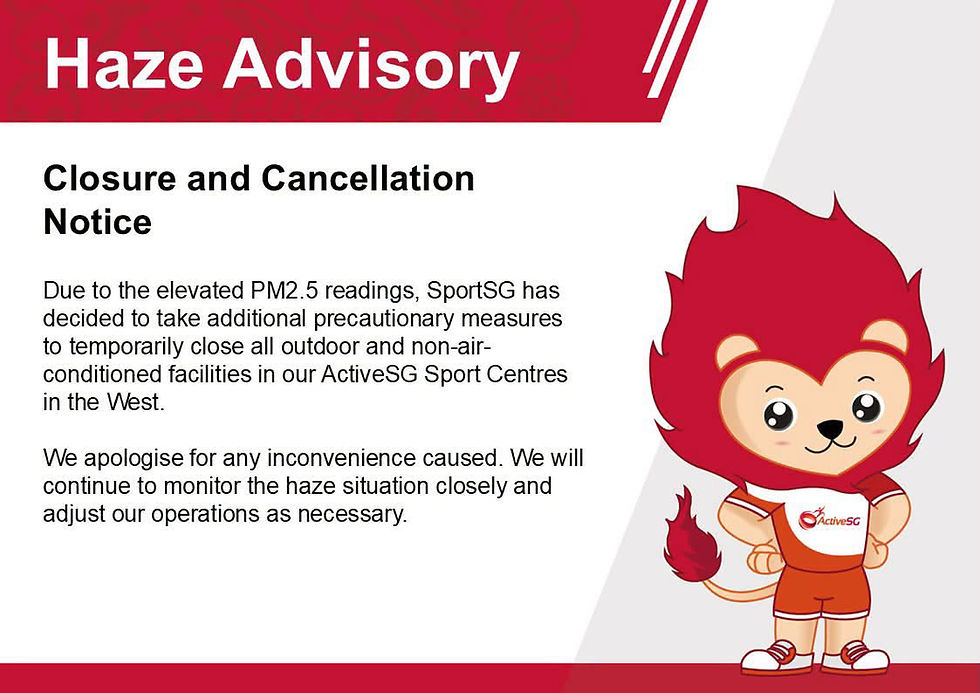
Haze. Occasionally, poor air quality affects outdoor activities. I've written separately about how haze and PSI thresholds are handled.
Heat. On the other side, intense midday sun can be tiring and risky for young children, so scheduling matters.
What this means in practice:
Choose a coach with a clear weather policy. Ask exactly what happens in rain, lightning and haze.
Agree on make-up arrangements before starting. You should know whether missed lessons are replaced, rescheduled or refunded.
Be flexible with timing. Early mornings and late afternoons often have milder conditions, though thunderstorms can strike at any time.
Consider a backup venue. Some families use an indoor pool or a public pool for occasional lessons when condo lessons aren't possible.
I've explained in another article how we handle rain and lightning, because I believe families should know the rules before they sign up.
Step 1: Check Your Condo's Rules
Before you contact a coach, find out what your condo allows. This step is the one most families skip, and it's the one that causes the most problems.
Where to look:
House rules or by-laws, often posted on the resident portal, app or notice board
The management office, by phone, email or visit
Neighbours and resident groups, who often know how things work in practice
What to ask:
Are private swimming lessons allowed at the pool?
Are outside coaches allowed, and do they need to be registered or approved?
Is there a registration process, and what documents are required?
Are there fees for coaches or for using the pool for lessons?
Are there restricted days or hours?
Is there a limit on the number of learners per coach or per lesson?
Can children who don't live in the condo join as guests?
Are there rules on supervision, lifeguards or parental presence?
Can the coach bring equipment such as kickboards and floats?
How is notice given for pool maintenance or closures?
Where possible, ask for answers in writing. It saves confusion later.
Step 2: Think About What You Need
Once you know the rules, decide what kind of lessons suit you.
Format:
One-to-one: The most personal attention, ideal for nervous learners, adults and children with additional needs.
Small group (2 to 4 learners): A good balance of attention and cost, especially for siblings or neighbours.
Larger group: Cheaper per head, but often restricted by condo rules and harder to supervise safely.
Learner type:
Toddlers and preschoolers: Focus on comfort, play and water confidence.
School-age beginners: Building basic skills, sometimes working towards recognised programmes.
Children preparing for school swimming: Targeted practice to fill gaps.
Adults: Often prefer privacy and flexibility.
Learners with additional needs: Need patient coaches and smaller groups. I've written about inclusive options in a separate article.
Goals: Water safety, strokes, SwimSafer stages, fitness or simply confidence.
Being clear about your goals makes it easier to choose a coach and a plan.
Step 3: Inspect the Pool
Not every condo pool suits every lesson. Take a careful look.
Depth. Is there a shallow area where beginners can stand? Is there a deeper section for more advanced skills?
Size and shape. Is there enough length to practise swimming and turning?
Shade. Bukit Panjang's sun can be intense. Shade helps keep children comfortable.
Water quality and cleanliness. Clear, well-maintained water is a good sign. If it looks cloudy or poorly kept, raise it with management.
Deck safety. Is the surface slippery? Are there clear rules and signs?
Crowding. Visit at lesson time. Is the pool busy with other residents?
Facilities. Are there toilets and changing areas nearby? Is there somewhere for parents to sit and watch?
Temperature. Cool water and wind can make children cold quickly. I've written separately about how pool water temperature affects children.
If the pool isn't suitable, consider a public pool with a teaching or wading pool for some or all lessons. I've written about which west-side pools have proper teaching areas.
Step 4: Choose and Check a Coach
Choosing a coach is the most important step. Take your time.
Where to look:
Recommendations from neighbours, resident chat groups or school parents
Swim schools that offer condo lessons
Independent coaches
Your management office, which may keep a list of approved coaches
What to check:
Qualifications. Ask about swim instructor certification, lifesaving, first aid and CPR. If you want your child to work towards SwimSafer, ask whether the coach is accredited to teach it. I've written about how to check a coach's certification and about who is allowed to teach SwimSafer.
Experience. Has the coach taught learners like yours?
Condo experience. Does the coach know how to handle registration, access and house rules?
Teaching style. Is the coach patient, clear and encouraging?
Safety awareness. How do they supervise and handle emergencies and weather?
Communication. Do they reply promptly and explain things clearly?
Transparency. Will they answer questions openly?
I also recommend reading about red flags when choosing a coach. If something feels off, trust that feeling.
Step 5: Ask the Right Questions
Before you commit, have a clear conversation. Here are the questions I'd ask.
About lessons:
What does a typical lesson look like, and how long is it?
How many learners per group?
How will you assess my child's starting level?
How do you help children who are afraid?
About logistics:
Do you have experience at condos like mine, and are you familiar with the rules?
Who handles registration with the management office?
What days and times are available?
What equipment do you bring?
Can parents watch?
About fees:
What is the fee per lesson or package?
Are there extra charges, such as condo fees or equipment?
How and when do I pay?
About policies:
What is your cancellation policy?
What happens if it rains or there's lightning?
Do you offer make-up lessons, and how do they work?
What if the pool is closed for maintenance?
About progress:
How will you update me on progress?
What are realistic goals for the next few months?
A good coach answers openly. If you meet vagueness or pressure, step back.
Step 6: Handle Registration and Access
Once you've chosen a coach, sort out the practical details.
Registration. Many condos require formal registration of outside coaches, which may involve forms, ID, qualifications, insurance and house rules agreements. Ask the management exactly what's needed, and give the coach time to prepare.
Gate access. A coach who doesn't live in the condo usually needs to sign in at the guardhouse or be registered as a visitor. Make sure the process is clear so lessons start on time.
Guest learners. If neighbours' or relatives' children join, check how guest access works and whether there are limits.
Payment. Be clear about what you pay the coach and what you pay the condo, if anything.
Confirmation in writing. Keep emails or messages confirming approvals. They help if there's any confusion later.
Step 7: Plan for Safety
Safety must come first.
Supervision. With no lifeguard, the coach and parents carry more responsibility. Ask how the coach supervises, and keep a parent nearby for young children.
Emergency readiness. Know where the first aid kit, phone and flotation devices are, and ask about the coach's first aid and CPR training.
Pool rules. Follow posted rules on depth, diving, running and equipment.
Depth for beginners. Make sure beginners aren't left in water that is too deep, and that the coach stays within arm's reach of anxious or very young learners.
Weather. Stop for lightning, without exception.
After lessons. Keep supervising once the lesson ends. Many accidents happen when children return to the water unattended.
Healthy habits. Rinse before and after, use sunscreen, and keep children hydrated.
Step 8: Plan a Sensible Schedule
Avoid peak times when the pool is busy with residents, such as weekends and evenings.
Avoid midday heat. Early morning or late afternoon may be more comfortable.
Know the maintenance day. Many condo pools close one day a week for cleaning.
Aim for regularity. Weekly lessons at a steady time build progress.
Discuss make-ups in case of weather or closures.
Leave room for rest. A tired child doesn't learn well.
Step 9: Start With a Trial and Review After a Few Weeks
Begin with a trial lesson or a short block, and stay involved.
In the first lesson, a good coach will assess your child's comfort, experience and goals, and explain what comes next. Watch quietly, ask questions afterwards, and share anything that helps, such as fears, past experiences or health concerns.
After three to four weeks, ask yourself:
Is my child comfortable and enjoying lessons?
Is communication clear?
Does the coach adapt to my child?
Are lessons running smoothly with the condo's rules?
Do I understand what my child is working on?
If something isn't working, speak up early. A good coach welcomes feedback.
Condo Pool or Public Pool? A Fair Comparison
Many Bukit Panjang families use both.
Factor | Condo pool | Public pool |
Convenience | Very high | Needs travel |
Crowding | Often quieter, but varies | Can be busy |
Pool depth options | Often limited | Often includes teaching and wading pools |
Lifeguards | Often none | Usually present |
Rules | Set by condo, may require approval | More standardised |
Assessments for programmes | May need another venue | Easier to arrange |
Privacy | Higher | Lower |
A common approach is to use the condo pool for regular lessons and practice, and a public pool for deeper-water skills or assessments.
Common Problems and How to Avoid Them
1. Lessons blocked by management. Confirm rules and registration before you pay.
2. Coach turned away at the gate. Arrange visitor access in advance.
3. Pool closed on lesson day. Check the maintenance schedule and agree on make-ups.
4. Crowded pool. Choose quieter times, and raise persistent problems with management.
5. Pool too shallow or short. Check before you book, and consider a public pool for some lessons.
6. Unclear fees. Ask for a full breakdown, including condo charges.
7. Weather disruptions. Agree on weather and make-up policies in advance.
8. Lack of supervision. Clarify responsibilities, and keep a parent nearby.
9. Complaints from neighbours. Keep noise reasonable and follow house rules.
10. Skipping the trial. Try a lesson before committing to a long package.
Different Learners, Different Needs
Toddlers and preschoolers. Condo pools often suit them well, especially shallow children's pools. Focus on comfort, play and short sessions.
Primary school children. Many are preparing for school swimming programmes, and extra practice helps. Check how SwimSafer assessments will be arranged if relevant.
Teenagers. Often need deeper water and more distance, so a lap pool or public pool may be better.
Adults. Many appreciate privacy and flexible timing. Tell your coach about any fears or health concerns.
Learners with additional needs. Smaller groups, patient coaches and a calm environment help. Quiet condo pools can be a good fit.
How SG Sink Or Swim Handles Condo Lessons in Bukit Panjang
At SG Sink Or Swim, I coach families across the west of Singapore, including Bukit Panjang, and condo lessons are a regular part of what we do. I've learned that good condo lessons depend as much on preparation as on teaching.
Here's how I approach it:
Start with a conversation. I ask about the learner, the goals and the condo, so I understand what we're working with.
Check practicalities early. We talk through the condo's rules, access and any registration required, so there are no surprises on day one.
Look at the pool. Depth, size, shade and conditions all affect how I teach. I'd rather check beforehand than adapt awkwardly mid-lesson.
Be clear about policies. Weather, cancellations, make-ups and fees should be explained before anyone commits.
Keep safety central. I plan lessons around supervision, depth and each learner's needs, and I'm open about when parents should stay close.
Be honest about limits. If a condo pool isn't suitable for a particular learner or goal, I'll say so and suggest alternatives.
Communicate progress. Parents should know what their child is working on and why.
If you live in Bukit Panjang and are wondering whether lessons at your condo are possible, I'm happy to talk through the practical steps and help you work out whether it's the right fit.
A Quick Checklist
Read your condo's house rules and contact management about private lessons.
Confirm registration, fees, restricted hours and guest policies.
Decide on lesson format and goals.
Inspect the pool for depth, size, shade and cleanliness.
Shortlist two or three coaches and check their qualifications.
Ask about lesson structure, fees, weather policy and progress reporting.
Handle registration and visitor access in advance.
Plan for safety, supervision and weather.
Choose a regular, sensible schedule.
Start with a trial, review after a few weeks and adjust.
Frequently Asked Questions
Can I have swimming lessons at my condo pool in Bukit Panjang?
Often yes, but it depends on your condo's rules. Check with management first.
Do coaches need to register with the condo?
Many condos require it. Ask management what is needed.
Can neighbours' or relatives' children join?
Possibly, but condos often have guest rules. Ask about access, limits and fees.
What if my condo doesn't allow outside coaches?
You could ask about exceptions, use a coach on the approved list, or hold lessons at a public pool.
Are condo pools suitable for all levels?
They suit many beginners and children well, but shallow or short pools can limit older learners.
Is there a lifeguard?
Many condo pools don't have one. Ask how supervision works, and keep a parent nearby for young children.
What happens when it rains?
Lessons may pause or be cancelled, especially in lightning. Agree on weather and make-up policies in advance.
Can my child work towards SwimSafer at a condo pool?
Possibly, but ask how assessments are arranged, since they may need a suitable venue.
How much do lessons cost?
It varies by coach, format and condo. Ask for a full breakdown, including any condo charges.
Should I do a trial first?
Yes. A trial lets you check the coach, the pool and your child's comfort before committing.
Final Thoughts
For many Bukit Panjang families, lessons at the condo pool offer a convenient, comfortable and often quieter way to learn. They work best when the groundwork is done: knowing the rules, checking the pool, choosing a qualified coach, planning for the weather and agreeing on clear policies.
To recap:
Condo lessons offer convenience, familiarity and flexibility, but limitations include shallow pools, lack of lifeguards, management rules and weather exposure.
Start with your condo's rules, and confirm registration, fees, hours and guest policies.
Inspect the pool for depth, size, shade and cleanliness.
Choose and verify a qualified, experienced coach.
Ask clear questions about lessons, fees, policies and progress.
Plan carefully for Bukit Panjang's changeable weather, and always stop for lightning.
Keep safety and supervision at the centre.
Combine condo and public pool lessons if it suits your child's needs.
With the right preparation, lessons right at home can help your child build confidence, skills and a lasting love of the water.
If you'd like help planning lessons at your condo in Bukit Panjang, I'd be glad to talk it through. At SG Sink Or Swim, we'll help you sort out the practical details and make the experience safe, smooth and enjoyable for your family.
Coach Tan Meng Chew (MC) is the coach behind SG Sink Or Swim, helping children and adults in Singapore learn to swim with confidence and safety.
Comments