

How to Keep Your Child Warm in Indoor Swimming Pools: A Parent's Practical Guide

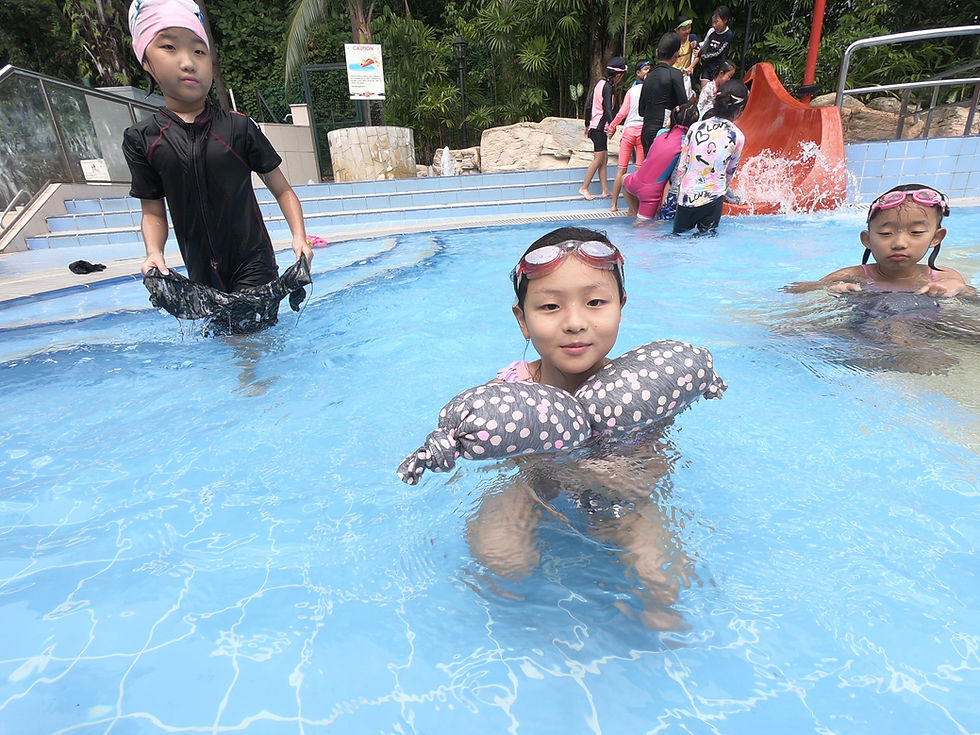
Indoor swimming pools offer year-round training, protection from Singapore's intense sun, and consistent water quality. But for many parents, there's a common concern: "Why does my child shiver after swimming indoors, even in tropical Singapore?"
The answer lies in physics, physiology, and pool design. Indoor pools are often air-conditioned to manage humidity, and water conducts heat away from the body 25 times faster than air. For children—who have a higher surface-area-to-body-mass ratio and less insulating body fat—staying warm requires intentional strategies.
This guide provides practical, evidence-based tips to keep your child comfortable before, during, and after indoor swimming sessions. Whether your child is in SwimSafer lessons, squad training, or recreational swimming at an ActiveSG complex, these strategies will help them stay warm, focused, and ready to learn.
❄️ Why Children Get Cold in Indoor Pools (Even in Singapore)
Understanding the science helps you prevent the chill.
Factor | Explanation | Impact on Children |
Water Conductivity | Water removes body heat 25x faster than air. | Children lose heat rapidly, even in 28°C water. |
Surface Area Ratio | Children have more skin surface relative to body mass. | Heat loss is proportionally greater than in adults. |
Less Body Fat | Young children have minimal insulating fat layers. | Reduced natural thermal protection. |
Inactivity Periods | Waiting for turns, listening to instructions. | Metabolic heat production drops during stillness. |
Wet Hair & Swimwear | Evaporation continues after exiting water. | Post-swim chill is common without proper drying. |
💡 Key Insight: A child can feel cold even if the pool is "warm" by adult standards. Comfort is individual—watch your child, not just the thermometer.
🌡️ Signs Your Child Is Too Cold
Recognise early warning signs before discomfort becomes distress.
Mild Chill | Moderate Cold | Severe (Seek Help) |
✅ Shivering | ✅ Lips turning pale or blue | ✅ Confusion or drowsiness |
✅ Goosebumps | ✅ Clumsiness or slowed movements | ✅ Slurred speech |
✅ Seeking warmth | ✅ Complaining of cold repeatedly | ✅ Weak or irregular breathing |
✅ Quiet or withdrawn | ✅ Reduced coordination in water | ✅ Loss of consciousness |
⚠️ Critical Reminder: In Singapore's climate, severe hypothermia is rare in pools. However, prolonged chill can weaken immunity and reduce enjoyment. Address mild signs promptly.
🎒 Before the Swim: Preparation Is Prevention
1. Dress in Layers (The "Swim Sandwich")
Base Layer: Moisture-wicking rash guard or thermal swimwear (available at Decathlon, SwimTayka).
Mid Layer: Light fleece or dry robe for waiting periods.
Outer Layer: Wind-resistant jacket for walking to/from the pool.
2. Eat a Warm, Energy-Rich Snack
Timing: 30–45 minutes before swimming.
Ideas: Warm oatmeal, banana with peanut butter, whole-grain toast.
Why: Digestion generates internal heat; carbohydrates fuel muscle warmth.
3. Hydrate with Warm Fluids
Offer warm water or diluted warm juice before swimming.
Avoid cold drinks immediately before entering water—they lower core temperature.
4. Pre-Warm the Body
Do 5 minutes of light movement (jumping jacks, arm circles) before entering the pool.
This boosts circulation and raises skin temperature slightly.
5. Pack a "Warmth Kit"
Item | Purpose |
Microfiber Towel | Dries faster than cotton; reduces evaporative cooling. |
Dry Robe or Hooded Towel | Traps warm air around the body post-swim. |
Warm Change of Clothes | Pre-warm clothes in a bag or with a hot water bottle (wrapped). |
Thermal Swim Cap | Silicone caps retain more heat than latex; consider neoprene for very cold-sensitive children. |
Ear Plugs | Reduce cold water entry into ear canals (a common chill source). |
Hand/Foot Warmers | Disposable warmers can be placed in gloves/socks post-swim (use with caution; not in water). |
🏊 During the Swim: Strategies to Retain Heat
1. Keep Moving
Encourage gentle swimming or kicking during waiting periods.
Avoid prolonged stillness at the pool edge.
2. Use Appropriate Swimwear
Age/Need | Recommendation |
Infants/Toddlers | Neoprene swim vests or wetsuits (1–2mm) for insulation. |
Young Children | Rash guards + swim shorts; consider thermal-lined suits. |
Cold-Sensitive Kids | Shorty wetsuits (available at dive shops like Aquatic Sports Association of Singapore partners). |
Competitive Swimmers | Standard suits are fine; focus on post-swim warmth. |
💡 Note: Wetsuits are allowed in recreational swimming and training but may not be permitted in formal competitions—check rules first.
3. Protect the Head and Extremities
Swim Cap: Always wear one; up to 50% of body heat can be lost through the head.
Neoprene Booties: For children with cold feet (available at specialty swim shops).
Goggles with Good Seal: Prevent cold water from splashing into eyes/face.
4. Manage Breath and Exposure
Teach children to exhale gently when submerging—holding breath can increase tension and reduce circulation.
Limit prolonged underwater play if your child is chill-sensitive.
5. Take Strategic Breaks
If your child starts shivering, take a 2–3 minute break on deck.
Wrap in a dry towel, sip warm fluid, and do light movement before re-entering.
🧣 After the Swim: Rapid Rewarming Protocol
The post-swim period is when children lose heat fastest. Act quickly.
The 5-Minute Rewarm Routine
Time | Action | Purpose |
0–1 min | Exit water; immediately wrap in dry microfiber towel. | Stop evaporative cooling. |
1–2 min | Remove wet cap/goggles; dry hair thoroughly. | Reduce head heat loss. |
2–3 min | Change into pre-warmed, dry clothes (start with torso). | Restore insulating layer. |
3–4 min | Offer warm drink (water, diluted juice, warm milk). | Raise core temperature internally. |
4–5 min | Light movement (walking, gentle stretching). | Boost circulation without overexertion. |
Post-Swim Clothing Tips
✅ Start with the core: Dress torso first to protect vital organs.
✅ Use fleece or wool: These materials retain warmth even when slightly damp.
✅ Avoid cotton: Cotton holds moisture and accelerates cooling.
✅ Layer up: A thin base + fleece mid-layer + windproof outer is ideal.
Warm Drink Ideas for Singapore
Warm water with a slice of lemon
Diluted warm barley water (common in local hawker centres)
Warm soy milk or oat milk
Herbal tea (caffeine-free, child-safe varieties like chamomile)
🇸🇬 Local Tip: Many Singapore hawker centres sell warm barley or chrysanthemum tea—perfect for post-swim rewarming.
🇸🇬 Singapore-Specific Considerations
Indoor Pool Climate Control
Temperature: Most Singapore indoor pools maintain water at 26–28°C and air at 24–26°C.
Humidity: High humidity (70–80%) reduces evaporative cooling but can make air feel muggy.
Airflow: Strong ventilation systems accelerate evaporation from wet skin.
Strategy: Dress for the air temperature, not just the water. A light jacket is often needed even if the pool feels warm.
Popular Indoor Pool Venues and Tips
Venue | Characteristics | Warmth Tips |
ActiveSG Complexes (Bedok, Jurong West, Bukit Canberra) | busy; family-friendly. | Arrive early to avoid cold changing rooms; use family changing rooms for quicker drying. |
OCBC Aquatic Centre | Competition-standard | Pack extra layers; use the warm-up pool if available (often slightly warmer). |
Hotel/Condo Pools | Variable temperature; often less crowded. | Check water temperature beforehand; request warmer settings if possible for young children. |
Therapeutic Pools (e.g., at hospitals) | Warmer water (30–32°C); designed for rehabilitation. | Ideal for cold-sensitive or special needs children; inquire about access. |
Humidity and "Feels-Like" Temperature
Singapore's high humidity can make air-conditioned spaces feel cooler than the thermometer reads.
Perception Tip: If you feel chilly in the changing room, your child likely does too—dress accordingly.
Clothing Choice: Opt for breathable but insulating fabrics (fleece, merino wool blends) that manage moisture without trapping cold.
Cultural and Practical Notes
Helpers and Grandparents: If a helper or grandparent accompanies your child, ensure they understand the warmth protocol. Provide a written checklist if helpful.
School Swim Programmes: If your child swims during school hours, pack their warmth kit in a labelled bag and inform the teacher/coach about your child's sensitivity.
Transport Home: Keep a blanket in the car for the ride home. Air-conditioned vehicles can cause post-swim chill to worsen.
🧒 Age-Specific Warmth Strategies
Infants and Toddlers (6 months–3 years)
Neoprene Swim Nappies + Vests: Provide insulation and contain accidents.
Limit Session Time: 15–20 minutes maximum in water; longer in warm therapeutic pools.
Skin-to-Skin Rewarming: After swimming, hold your child against your bare chest under a dry towel.
Warm Bath Post-Swim: A quick warm (not hot) rinse can help restore body temperature.
Young Children (4–8 years)
Make It Fun: Turn rewarming into a game ("Let's see who can put on their hoodie fastest!").
Visual Schedules: Use picture cards to show the post-swim routine (towel → clothes → drink).
Positive Reinforcement: Praise them for helping with the warmth routine.
Older Children (9–12 years)
Teach Self-Advocacy: Encourage them to speak up if they feel cold.
Empower Choice: Let them pick their warm drink or post-swim snack.
Educate on Physiology: Explain why staying warm matters for performance and health.
🛒 Equipment Guide: What to Buy in Singapore
Item | Recommended Brands/Where to Buy | Estimated Cost (SGD) |
Microfiber Towel | Decathlon, Kinokuniya, Popular | $10–$25 |
Dry Robe / Hooded Towel | SwimTayka, online (Shopee/Lazada) | $30–$80 |
Thermal Rash Guard | Decathlon (Nabaiji), Speedo, Arena | $25–$60 |
Neoprene Swim Vest | Decathlon, specialty dive shops | $40–$100 |
Silicone Swim Cap | Decathlon, Pro Swim Shop, ActiveSG Pro Shop | $5–$15 |
Ear Plugs (Swimming) | Watsons, Guardian, Decathlon | $5–$15 |
Fleece Layer | Uniqlo, Decathlon, Cotton On | $20–$50 |
Insulated Water Bottle | Decathlon, Brands like Thermos | $15–$40 |
💡 Budget Tip: Start with essentials (microfiber towel, fleece layer, warm drink). Add specialised gear as needed.
🩺 Safety Considerations: When to Worry
While mild chilling is common, know when to take action.
Red Flags: Seek Medical Attention If
🚩 Shivering persists more than 15–20 minutes after rewarming.
🚩 Lips, fingers, or toes remain blue or pale.
🚩 Child becomes confused, drowsy, or unusually quiet.
🚩 Breathing seems weak or irregular.
Prevention Is Key
✅ Never leave a wet child unattended in an air-conditioned space.
✅ Always have a dry change of clothes ready.
✅ Monitor children with medical conditions (e.g., asthma, Raynaud's) more closely.
✅ When in doubt, err on the side of extra warmth.
📊 Sample Pre/Post-Swim Checklist for Parents
Before Swimming
Child has eaten a warm snack 30–45 mins prior
Hydrated with warm fluid
Dressed in moisture-wicking base layer
Packed: microfiber towel, dry robe, warm clothes, warm drink
Swim cap, goggles, ear plugs ready
Done 5 mins of light pre-warm movement
After Swimming
Immediately wrapped in dry microfiber towel
Hair and ears dried thoroughly
Changed into pre-warmed clothes (torso first)
Given warm drink to sip
Light movement (walking, stretching) for 5 mins
Monitored for 15 mins to ensure shivering stops
🧠 The Psychology of Warmth: Keeping the Experience Positive
Staying warm isn't just physical—it's emotional. A cold, uncomfortable child associates swimming with discomfort.
Strategies for Positive Associations
✅ Praise effort: "You did such a great job staying warm today!"
✅ Create rituals: A special post-swim warm drink or snack becomes something to look forward to.
✅ Model behaviour: Let your child see you also bundling up and rewarming—it normalises the routine.
✅ Focus on fun: If swimming is enjoyable, children tolerate mild discomfort better.
💡 Key Principle: Warmth enables learning. A comfortable child is more receptive to instruction, more confident in the water, and more likely to return.
🏁 Conclusion: Warmth Enables Confidence
Keeping your child warm in indoor swimming pools isn't about coddling—it's about enabling participation, learning, and enjoyment. When children are comfortable, they focus better, try harder, and develop a lifelong love for swimming.
In Singapore, where indoor pools are a year-round resource, mastering the art of thermal management ensures your child gets the most from every session. With thoughtful preparation, smart gear choices, and consistent post-swim routines, you can turn potential chill into lasting confidence.
Remember:
Prevention is easier than rewarming: Dress in layers before you even arrive.
Act fast post-swim: The first 5 minutes are critical for heat retention.
Individualise your approach: Every child's warmth needs are different.
Make it positive: Warmth routines can become cherished rituals.
Next time you head to the pool, pack with purpose, rewarm with intention, and watch your child thrive—in and out of the water.
✅ Quick-Reference: Indoor Pool Warmth Checklist
Pre-Swim: Warm snack, hydrate, light movement, dress in layers.
Gear: Microfiber towel, dry robe, thermal swimwear, cap, ear plugs.
During: Keep moving, protect head/extremities, take strategic breaks.
Post-Swim: Dry immediately, change torso-first, warm drink, light movement.
Monitor: Watch for persistent shivering or colour changes.
Personalise: Adjust for age, sensitivity, and medical needs.
Stay Positive: Turn warmth routines into fun, empowering rituals.


Comments