

How Swimming Reduces Overthinking in Anxious Autism Swimmers

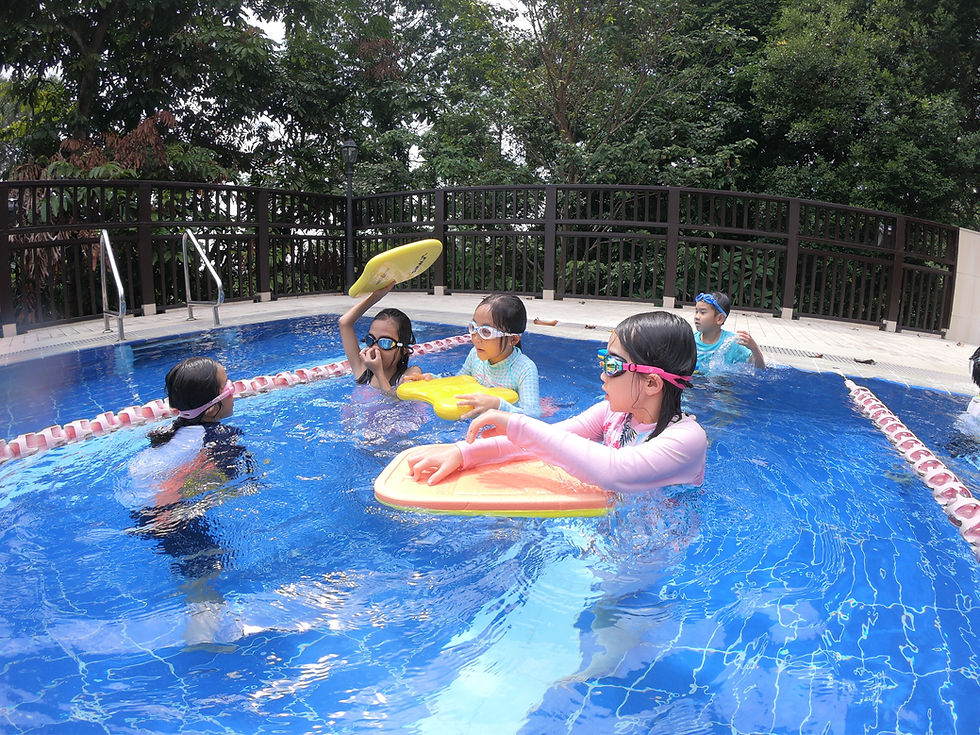
Swimming is more than just a physical activity—it’s a powerful tool for mental regulation, sensory integration, and emotional calmness, particularly for individuals with autism who experience anxiety and overthinking. Many autistic swimmers struggle with racing thoughts, heightened sensory sensitivity, or social stress. The water provides a unique environment that helps manage these challenges, making swimming both therapeutic and enjoyable.
Why Overthinking Happens in Autism
Autistic individuals often experience heightened awareness of their surroundings and a tendency to focus intensely on thoughts. This can lead to:
Anxiety and worry
Mental fatigue
Difficulty focusing on tasks
Heightened stress responses
In swimming, these thought patterns can interfere with learning new skills, participating in group lessons, or performing in competitive settings.
How Swimming Helps Reduce Overthinking
1. Physical Activity Calms the Mind
Swimming is a full-body aerobic exercise. Movement in water stimulates the release of:
Endorphins, which improve mood
Dopamine, which supports focus and reward pathways
Serotonin, which reduces anxiety
The repetitive nature of swimming strokes also promotes a rhythmic, meditative state, helping the brain shift away from racing thoughts.
2. Water Provides Sensory Regulation
Many autistic swimmers experience sensory sensitivities. Water acts as a natural sensory regulator:
Pressure from water provides proprioceptive input, calming the nervous system
Temperature and buoyancy create a soothing environment
Sound dampening under water reduces auditory distractions
This sensory-friendly setting allows swimmers to feel grounded and less overwhelmed, which directly reduces overthinking.
3. Structured and Predictable Environment
Swimming lessons and lap training often involve routine, repetition, and clear structure. For anxious autistic swimmers:
Predictable stroke sequences reduce cognitive load
Clear cues and drills provide a sense of control
Routine fosters confidence and self-efficacy
Structured activity helps the mind focus on tangible tasks rather than abstract worries.
4. Focus on Breath and Rhythm
Breathing in swimming is an active mindfulness practice:
Coordinating strokes with breathing encourages present-moment awareness
Rhythmic motion during strokes like freestyle or backstroke engages the mind in a single task
Controlled breathing naturally lowers heart rate and calms anxiety
By concentrating on breath and movement, swimmers have less mental space for overthinking.
5. Boosts Self-Confidence and Coping Skills
Swimming allows autistic individuals to see measurable progress—distance swum, stroke improvement, or timing goals. This can reduce anxiety by providing:
A sense of achievement
Clear goals and success markers
Empowerment in a non-judgmental environment
Confidence gained in the pool often translates to reduced rumination and improved emotional regulation outside the water.
Practical Tips for Maximizing Swimming Benefits
Short, focused sessions – Start with 20–30 minutes to prevent sensory or cognitive overload.
Consistency – Regular practice builds comfort and routine.
Simple, clear instructions – Avoid overwhelming swimmers with too many cues at once.
Incorporate favorite strokes – Let the swimmer enjoy strokes that feel natural and relaxing.
Use flotation tools if needed – Kickboards or noodles provide support and confidence, reducing anxiety.
Mindful breaks – Encourage pauses between laps to reinforce calm breathing and reflection.
Recommended Strokes for Anxiety Relief
Backstroke: Provides a calm, face-up orientation that promotes relaxation.
Freestyle: Smooth, rhythmic strokes help regulate breathing and reduce tension.
Kickboard drills: Focus on lower body movement, allowing the mind to disengage from overthinking.
Final Thoughts
Swimming offers a unique combination of physical exertion, sensory regulation, and structured routine that can profoundly reduce overthinking in anxious autistic swimmers. The water allows the mind to focus on rhythm, breath, and movement, providing a natural calming effect.
Beyond technical skill development, swimming serves as a therapeutic outlet—helping autistic individuals feel grounded, confident, and mentally balanced. With consistent practice and a supportive environment, swimming becomes more than exercise; it becomes a mental refuge from anxiety and overthinking.


Comments