

How Swimming Supports Fine-Tuning Movements in ADHD Kids

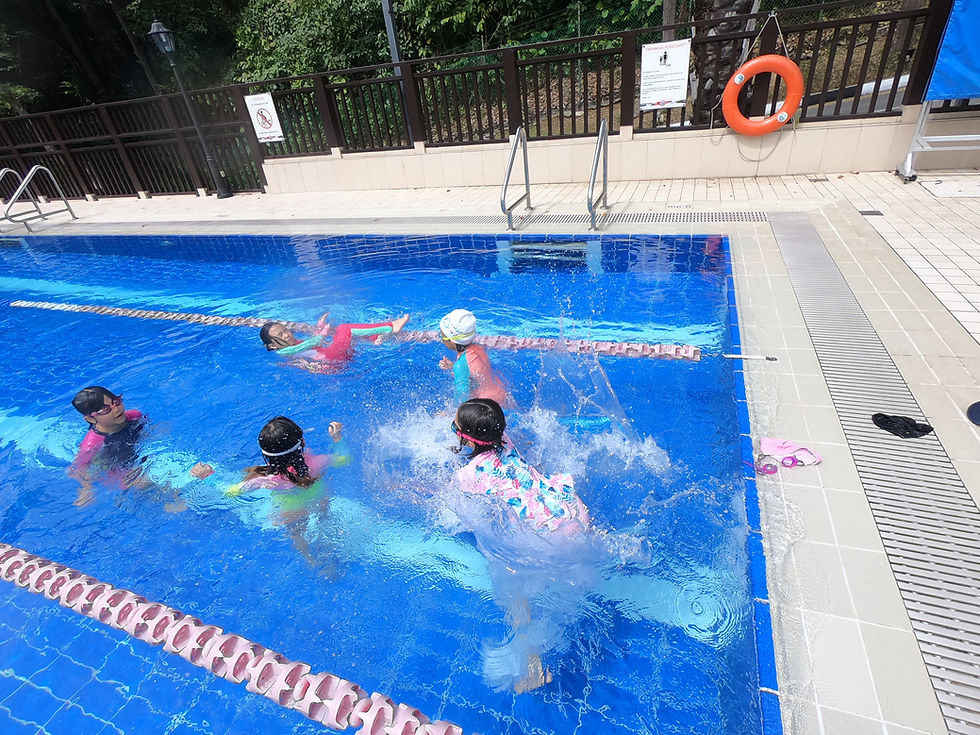
The Water as a Therapeutic Playground — Calming the Mind, Coordinating the Body
For children with Attention-Deficit/Hyperactivity Disorder (ADHD), everyday tasks can feel like navigating a storm of distractions, impulses, and sensory overload. Simple actions — tying shoelaces, writing letters, catching a ball — may be challenging due to motor planning difficulties, poor coordination, and sensory dysregulation.
But in the water, something remarkable happens.
Swimming doesn’t just teach strokes — it rewires the brain-body connection. The unique properties of water — its pressure, resistance, rhythm, and sensory feedback — create a calming, structured environment where kids with ADHD can practice focused movement, build neural pathways, and develop the fine and gross motor skills that support confidence on land.
In this article, we’ll explore how swimming serves as a powerful, evidence-backed tool for fine-tuning movement in children with ADHD — and why it’s more than just exercise: it’s movement medicine.
🌊 Why Water Is Uniquely Therapeutic for ADHD Brains
Children with ADHD often struggle with:
Sensory processing (over- or under-reactivity to stimuli)
Motor coordination (clumsiness, poor balance, delayed milestones)
Impulse control (blurting, fidgeting, interrupting)
Working memory (forgetting multi-step instructions)
Water provides four healing properties that directly address these challenges:
1. Deep Pressure = Calm Nervous System
Hydrostatic pressure wraps the body like a weighted blanket, reducing anxiety and improving body awareness (proprioception).
2. Rhythmic Movement = Neural Organization
The repetitive, bilateral motions of swimming (arms, legs, breath) help synchronize left and right brain hemispheres — improving focus and motor planning.
3. Reduced Distractions = Improved Attention
Underwater, external noise fades. The only focus becomes breath, stroke, and movement — a form of moving meditation.
4. Immediate Feedback = Motor Learning
Water rewards efficient movement and punishes flailing — giving instant, non-judgmental feedback that helps refine coordination.
“In the water, my son isn’t ‘the ADHD kid.’ He’s the dolphin.”— Parent of 8-year-old with ADHD
🏊 How Swimming Fine-Tunes Movement in ADHD Kids
✅ 1. Improves Bilateral Coordination
Freestyle and backstroke require opposite arm and leg movements — strengthening the brain’s ability to coordinate both sides of the body. This skill transfers to tasks like cutting with scissors, riding a bike, or handwriting.
✅ 2. Enhances Body Awareness (Proprioception)
Pushing off walls, gliding in streamline, and rotating during strokes teach kids where their body is in space — reducing clumsiness and improving posture.
✅ 3. Builds Sequencing & Working Memory
Learning stroke sequences (e.g., “Pull, breathe, kick, glide” in breaststroke) exercises the brain’s ability to follow multi-step directions — a core challenge in ADHD.
✅ 4. Strengthens Core Stability
A strong core is the foundation of fine motor control. Swimming engages deep stabilizers, which support seated posture for writing, eating, and classroom focus.
✅ 5. Regulates Sensory Systems
Warm water, steady breathing, and rhythmic kicking help modulate the vestibular (balance) and tactile (touch) systems — reducing sensory-seeking or avoiding behaviors.
🎮 Play-Based Swim Activities for ADHD Kids
Structure is key — but so is joy. These engaging, low-pressure games build skills without stress:
1. “Robot vs. Jellyfish”
“Robot!” = Hold rigid streamline (builds body awareness)
“Jellyfish!” = Go limp and float (teaches relaxation)
🧠 Goal: Improve self-regulation and body control
2. “Bubble Count Challenge”
“How many bubbles can you blow in 10 seconds?”
Use a visual timer
🌬️ Goal: Practice breath control and impulse management
3. “Color Relay”
Swim to collect rings of specific colors in order (e.g., red → blue → green)
🧩 Goal: Strengthen working memory and sequencing
4. “Mirror Me”
Instructor demonstrates slow-motion strokes; child copies
👐 Goal: Develop motor planning and imitation skills
5. “Obstacle Course”
Kick through a hoop, swim under a noodle, touch the wall, float to a mat
🏁 Goal: Integrate multiple motor skills in a fun, structured path
📚 What the Research Says
A 2021 study in Frontiers in Psychology found that 8 weeks of swim training significantly improved motor coordination and attention in children with ADHD, with gains maintained at 3-month follow-up.
The rhythmic, aerobic nature of swimming increases dopamine and norepinephrine — the same neurotransmitters targeted by ADHD medications.
Water-based therapy is now recognized by occupational therapists as a complementary intervention for sensory processing and motor delays in neurodivergent children.
💡 Note: Benefits are greatest with consistent, weekly sessions (2x/week minimum) over 8–12 weeks.
🧠 Tips for Parents & Instructors
✅ Keep instructions short: “Kick. Breathe. Touch.” (3 words max)
✅ Use visual cues: Demonstrate rather than explain
✅ Offer choices: “Do you want the blue noodle or the green one?” (builds autonomy)
✅ Celebrate effort, not perfection: “You blew 8 bubbles — that’s focus!”
✅ Avoid overstimulation: Quiet pools, consistent routines, minimal echoing
⚠️ Safety First: Always use “touch supervision” (within arm’s reach) Avoid crowded, noisy pools during peak hours Consider 1:1 or small-group lessons for beginners
💬 Real Stories of Transformation
“My daughter couldn’t sit still for 2 minutes at school. After 3 months of swimming, her teacher said, ‘She’s focused, calm, and writing her name neatly.’ The water grounded her.”— Parent of 6-year-old
“He used to crash into everything. Now he glides like a seal. Swimming taught him where his body ends and the world begins.”— Occupational Therapist
Final Thoughts
For children with ADHD, swimming isn’t just about learning to float or stroke — it’s about finding their center.
In the water, impulsivity slows.Distractibility fades.And the body learns to move with purpose, precision, and joy.
So whether they become competitive swimmers or occasional splashers, the real victory is this:They leave the pool more coordinated, more regulated, and more confident in their own skin.
And that confidence?It doesn’t stay in the water.
It walks into the classroom. It sits at the dinner table. It writes their name — one steady letter at a time.
Breathe. Move. Belong.
In the water, every child with ADHD isn’t broken — they’re becoming. 💙🏊♀️


Comments