

How to Choose a Special Needs Swim Instructor

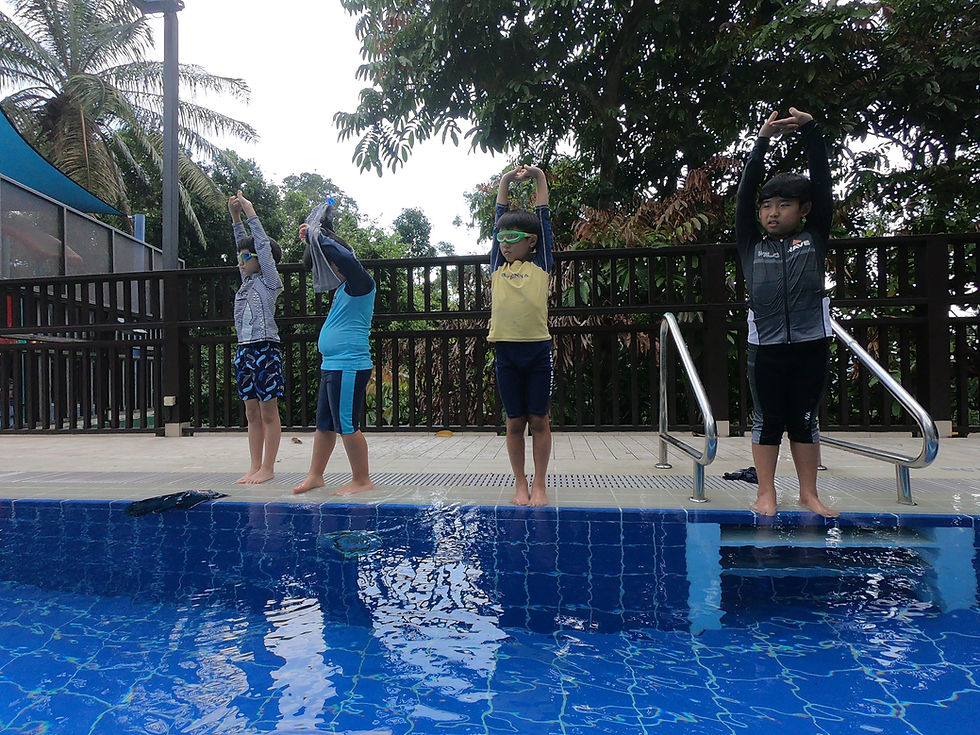
Swimming is a life-saving skill and a powerful form of therapy—especially for children and individuals with special needs. The right instructor can make a huge difference, not only in teaching water safety but also in building confidence, independence, and enjoyment in the water.
Choosing a special needs swim instructor requires more than just checking qualifications. It involves finding someone with the right mindset, experience, and teaching approach to support each swimmer’s unique needs.
Why a Specialized Instructor Matters
Individuals with special needs—such as autism, ADHD, sensory sensitivities, or physical challenges—often require:
Customized teaching methods
Slower progression and repetition
Enhanced communication strategies
A calm and supportive environment
A trained instructor understands how to adapt lessons to ensure safety, comfort, and effective learning.
Key Qualities to Look For
1. Relevant Experience and Training
Look for instructors who have experience working with special needs swimmers.
Important areas include:
Teaching children with autism or sensory challenges
Experience with physical or developmental conditions
Certifications in swimming instruction and water safety
While formal qualifications are important, hands-on experience is often even more valuable.
2. Patience and Empathy
Teaching special needs swimmers requires a high level of patience.
A good instructor should:
Allow extra time for learning
Stay calm during challenging moments
Show understanding and encouragement
Empathy helps build trust, which is essential for progress.
3. Strong Communication Skills
Every swimmer communicates differently. A skilled instructor can:
Use simple, clear instructions
Incorporate visual cues or demonstrations
Adjust communication style based on the swimmer’s needs
For non-verbal swimmers, the ability to use gestures and consistent routines is especially important.
4. Ability to Individualize Lessons
Avoid one-size-fits-all programs. The instructor should:
Assess the swimmer’s abilities and comfort level
Set realistic, personalized goals
Modify drills and techniques accordingly
Individualized instruction ensures steady and meaningful progress.
5. Focus on Safety First
Safety is critical, particularly for swimmers who may have:
Limited awareness of danger
Impulsive behavior
Sensory sensitivities
A good instructor will:
Maintain constant supervision
Use appropriate safety equipment
Teach water safety skills alongside swimming techniques
Questions to Ask Before Choosing
When evaluating an instructor or swim school, consider asking:
What experience do you have with special needs swimmers?
How do you adapt lessons for different abilities?
What is your approach to handling anxiety or meltdowns?
Do you offer one-on-one or small group lessons?
How do you track progress and communicate with parents?
These questions help you understand whether the instructor is a good fit.
Importance of the Learning Environment
The pool environment plays a big role in success.
Look for:
Quiet, less crowded pools
Warm water (more comfortable for sensitive swimmers)
Minimal distractions
Safe and accessible facilities
A supportive environment helps swimmers feel relaxed and focused.
Trial Lessons Matter
Before committing long-term, arrange a trial session.
Observe:
How the instructor interacts with the swimmer
Whether the swimmer feels comfortable
The instructor’s ability to adapt and respond
A positive first experience is a strong indicator of future success.
Red Flags to Watch Out For
Rushing the swimmer or showing impatience
Using rigid teaching methods without adaptation
Lack of communication with parents
Ignoring safety protocols
Overcrowded classes with little individual attention
If any of these are present, it may not be the right fit.
Benefits of the Right Instructor
With the right instructor, swimmers can gain:
Water safety and survival skills
Improved motor coordination
Increased confidence and independence
Better emotional regulation
Enjoyment and comfort in the water
Swimming can become a lifelong skill and therapeutic activity.
Final Thoughts
Choosing a special needs swim instructor is an important decision that goes beyond credentials. It’s about finding someone who understands, adapts, and genuinely cares about the swimmer’s progress and well-being.
With the right support, swimming becomes more than just a skill—it becomes a pathway to confidence, safety, and personal growth.
Take your time, ask the right questions, and trust your instincts. The right instructor will not only teach swimming but also make a meaningful impact on the swimmer’s life.


Comments