

Interval Training in the Pool: Boost Your Endurance

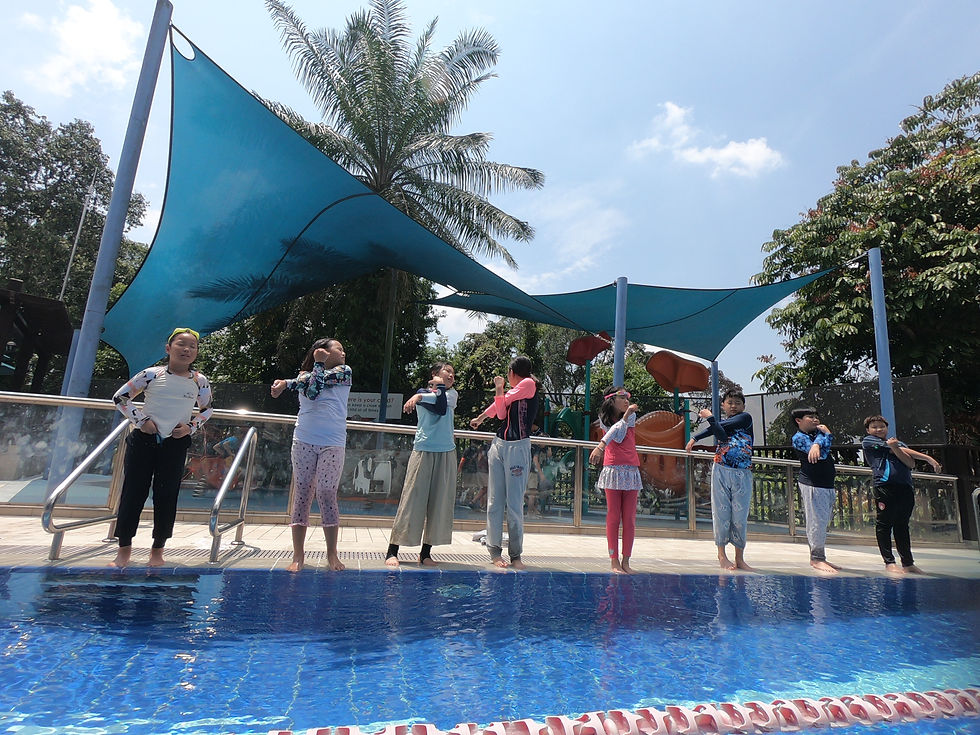
Swimming is a full-body workout that combines cardiovascular conditioning, muscular strength, and mental focus. One of the most effective ways to improve endurance and overall performance in the pool is through interval training. This method challenges the body in bursts, allowing swimmers to swim faster and recover, building both stamina and speed over time.
Whether you are a beginner swimmer, triathlete, or competitive athlete, incorporating interval training into your routine can lead to noticeable improvements in endurance, pacing, and efficiency.
What Is Interval Training in Swimming?
Interval training involves alternating periods of high-intensity swimming with rest or low-intensity recovery. Unlike steady, continuous swimming, intervals push the body to work harder in short bursts while still allowing recovery between sets.
Example Structure:
Swim 50 meters at a fast pace
Rest for 20–30 seconds
Repeat 8–10 times
This approach can be adapted to any distance, stroke, or skill level.
Benefits of Interval Training
1. Improved Cardiovascular Endurance
High-intensity bursts challenge the heart and lungs, making them more efficient over time. This helps swimmers sustain speed over longer distances.
2. Increased Muscular Strength and Power
Short, fast swims recruit fast-twitch muscle fibers, improving propulsion and stroke power.
3. Enhanced Recovery Ability
Interval training teaches the body to recover quickly, which is essential for long-distance swimming or multi-lap workouts.
4. Better Pacing and Mental Focus
Repeating timed intervals helps swimmers learn how to pace themselves, maintain consistent speed, and focus on stroke technique under fatigue.
5. Versatility for All Levels
Intervals can be adjusted for beginners, intermediate swimmers, or elite athletes, making them a highly flexible training method.
How to Structure Interval Training
Step 1: Determine Your Goal
Endurance: Longer intervals with shorter rest
Speed: Shorter intervals at maximum effort
Technique: Moderate effort with focus on stroke form
Step 2: Warm-Up (5–10 minutes)
Easy swimming or drills
Include different strokes to engage all muscles
Step 3: Set Your Intervals
Example for Endurance:
8 × 100 meters freestyle
Rest 20 seconds between each 100m
Example for Speed:
12 × 50 meters freestyle at high intensity
Rest 30–40 seconds
Step 4: Cool Down (5–10 minutes)
Slow swimming or floating
Stretch in the pool to prevent stiffness
Tips for Maximizing Interval Training
1. Focus on Technique
High-intensity efforts are most effective when stroke mechanics remain efficient. Avoid sloppy technique to prevent injury and wasted energy.
2. Track Your Progress
Use a waterproof watch, lap counter, or pool timer to monitor intervals. This helps you maintain consistent pacing and gradually improve.
3. Adjust Rest Periods
Shorter rest increases cardiovascular challenge
Longer rest allows full recovery and higher intensity on the next interval
4. Mix Strokes
Include backstroke, breaststroke, and butterfly to engage different muscles and improve overall swimming efficiency.
5. Include Drill Intervals
Focus on kicking, pulling, or technique during some intervals
Enhances strength and endurance while reinforcing proper mechanics
Sample Interval Training Session (Intermediate Level)
Warm-Up:
200m freestyle easy
100m kick (any stroke)
100m pull (use a pull buoy)
Main Set (Endurance Focus):
8 × 100m freestyle @ moderate pace
20-second rest between sets
Technique Set:
4 × 50m catch-up drill
30-second rest
Sprint Set:
6 × 25m freestyle at maximum effort
30-second rest
Cool Down:
200m easy mixed strokes
Common Mistakes to Avoid
Skipping warm-up or cool-down: Increases injury risk
Focusing only on speed: Fatigue can compromise technique
Resting too long: Reduces cardiovascular benefits
Neglecting stroke variety: Leads to muscular imbalance
Mental Benefits of Interval Training
Besides physical gains, interval training helps swimmers develop:
Focus under fatigue
Resilience and discipline
Confidence in pacing and endurance
These benefits carry over into competition and long-distance swimming.
Final Thoughts
Interval training in the pool is a highly effective way to boost endurance, speed, and technique. By alternating high-intensity swimming with structured rest, swimmers can push their limits safely while building stamina and efficiency.
Whether training for fitness, triathlons, or competitive swimming, interval training is a versatile method that makes every minute in the pool count. By structuring your sets thoughtfully, maintaining proper technique, and gradually increasing intensity, you can achieve stronger, faster, and more confident swimming.

Comments